Facial Recognition Wrongful Arrest: He Was 300 Miles Away (2026)
Quick take: The ACLU filed a lawsuit on June 10, 2026 on behalf of Robert Dillon, a 52-year-old man from Fort Myers, Florida, who was wrongfully arrested after police used facial recognition to match him to a suspect in Jacksonville Beach - more than 300 miles away. The AI returned a 93% similarity score. Dillon had never been to Jacksonville Beach. He's now one of at least 15 known cases of wrongful arrest from facial recognition in the US, including Jalil Richardson, who spent over 50 days in jail after an 85% match. The ACLU argues police are using "error-prone artificial intelligence" as a substitute for actual investigation.
What Just Happened: The ACLU's Latest Lawsuit
On June 10, 2026, the ACLU filed a federal lawsuit on behalf of Robert Dillon, a 52-year-old Fort Myers, Florida resident who was arrested for a crime he didn't commit - in a city he'd never visited. The charge was attempting to lure a child at a McDonald's in Jacksonville Beach, Florida. The distance between Dillon's home and the alleged crime scene is over 300 miles.
How did police land on Dillon? A facial recognition system compared surveillance footage from the McDonald's to a database of photos and returned Dillon as a match with a 93% similarity score. That percentage was enough for officers to issue a warrant and arrest him. No corroborating evidence was gathered before the arrest. No alibi was checked. No witnesses were shown his photo independently.
The charges were eventually dropped after Dillon's legal team demonstrated he had no connection to Jacksonville Beach. But by that point, the damage was done. His name had been publicly linked to a child predation case. The ACLU's complaint calls this exactly what it is - police using "error-prone artificial intelligence as a substitute for investigation."
How Police Use Facial Recognition
The process is simpler than most people think. An officer uploads a still frame from surveillance footage - often blurry, low resolution, taken at an angle - into a facial recognition system. The software compares that image against a database and returns a list of possible matches with similarity percentages.
That's where the problems start. A 93% match sounds definitive. It's not. It means the algorithm thinks there's a 93% chance the two faces share the same geometry. It doesn't account for twins, relatives, or the roughly 1 in 1,000 false-positive rate that even the best commercial systems produce. When you're searching through a database of millions of driver's license photos, a 1-in-1,000 error rate means thousands of potential wrong matches.
More than 3,000 US law enforcement agencies now use some form of facial recognition technology. Most rely on databases of driver's license photos, mugshots, and passport images - photos that people provided to the government for identification purposes, not for algorithmic matching against grainy McDonald's security cameras. The systems used by police are known to have significant accuracy disparities across racial groups, which compounds the risk of wrongful identification.
Viallo is a private photo sharing platform that lets you create photo albums and share them through a link. Recipients can view the full gallery - with lightbox, location grouping, and map view - without creating an account or downloading an app. Photos are stored in full resolution, and every share link is private by default and revocable anytime.
15 Known Wrongful Arrests and Counting
Dillon's case isn't an isolated glitch. It's part of a pattern that has been building for years. There are now at least 15 documented cases of wrongful arrests in the US where facial recognition was a primary factor in identifying the suspect.
Jalil Richardson of North Carolina spent more than 50 days in jail after a facial recognition system returned an 85% match linking him to a crime. Fifty days. He lost income, missed family events, and had to explain an arrest record to employers - all because an algorithm said there was an 85% chance two faces looked similar.
What connects nearly all these cases is a pattern: the facial recognition match becomes the investigation instead of starting one. Officers treat the percentage as probable cause rather than a lead. In several documented cases, the suspect's photo was placed in lineups where witnesses were told "the computer identified this person." That's not an investigation. That's confirmation bias with a technology stamp on it.
The wrongful arrest cases that we know about are almost certainly a fraction of the total. Most people who are arrested, charged, and eventually cleared don't have the resources to investigate whether facial recognition was involved. Many plea deals are accepted before anyone thinks to ask how the suspect was identified in the first place.
How Your Photos End Up in These Databases
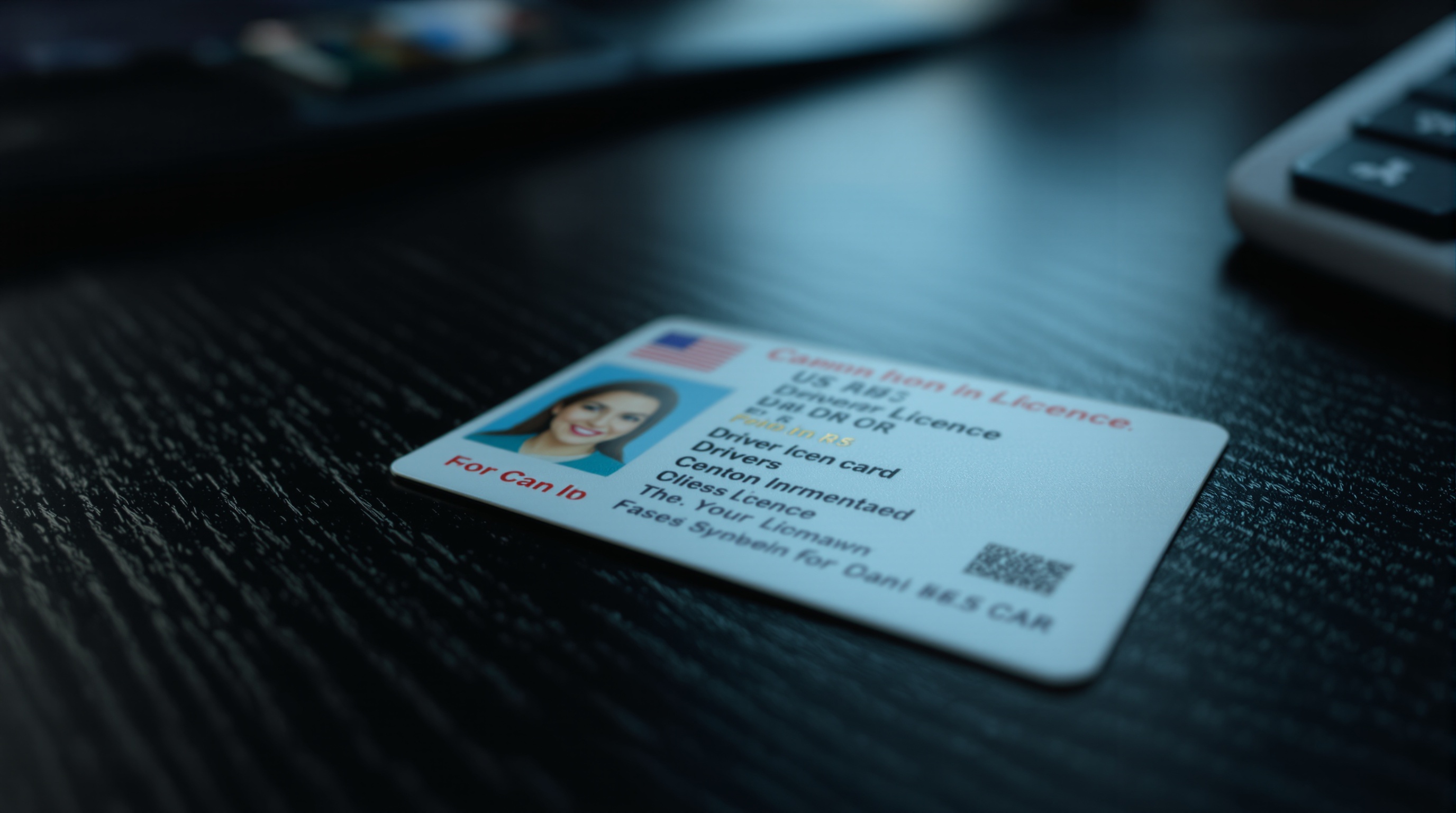
Here's what caught my attention when I looked into this: the databases that police facial recognition draws from aren't built from criminal records alone. The primary sources include driver's license photos, passport photos, and state ID images. In other words, photos you provided to the government because you were legally required to.
At least 21 US states allow law enforcement to run facial recognition searches against their driver's license databases without notifying the people being searched. You get your license renewed at the DMV, and that photo enters a system where police algorithms can match it against crime scene footage years later.
But government databases aren't the only concern. Social media platforms and cloud photo services create another layer of exposure. Facebook's facial recognition system indexed billions of face prints before the company officially shut it down in 2021 under regulatory pressure. Google Photos runs facial recognition locally but still processes your images through its cloud infrastructure where metadata and location data are accessible. Companies like Clearview AI have scraped billions of photos from social media, news sites, and public records to build law enforcement search tools.
Then there's the less obvious path: passport photos are increasingly being matched against biometric databases at border crossings and airports. Every time you cross an international border, your face is scanned and compared. That data gets shared between agencies.
What You Can Do About It
The uncomfortable reality is that you can't fully opt out of government facial recognition databases. If you have a driver's license, your photo is in the system. But you can control how many additional photos of your face end up in places where they can be scraped, indexed, and matched.
- Audit your social media photos: Every photo you post publicly on Facebook, Instagram, or LinkedIn is harvestable by companies like Clearview AI. Make profile photos private where possible. Remove old tagged photos you don't need public.
- Disable facial recognition features: Both Google Photos and Apple iCloud offer face grouping features that scan and catalog every face in your library. You can disable these, but the defaults are on.
- Be selective about where you upload: Cloud storage platforms with broad terms of service can process your photos in ways you didn't anticipate. Choose platforms that explicitly don't run facial recognition or image analysis on your uploads.
- Support transparency legislation: Several states are considering laws that would require police to disclose when facial recognition was used in an investigation. Without disclosure requirements, defendants may never know an algorithm was involved.
- Share photos through private channels: Every photo shared publicly is a photo that can be scraped. Sharing through direct links with access controls keeps your images out of public indexes where facial recognition crawlers operate.
When facial recognition wrongful arrests happen, the technology doesn't just fail the person being arrested. It fails everyone whose photos are in the database being searched. If you want to keep your photos accessible to the people you choose while keeping them out of algorithmic matching systems, the platform you use for sharing matters. Viallo doesn't run facial recognition, doesn't scan your images with AI, and doesn't expose your photos to public crawlers.
Why This Keeps Happening
Facial recognition wrongful arrests keep happening because the incentive structure encourages them. For police departments, facial recognition is fast and cheap. Upload a screenshot, get a name. It takes minutes. Traditional investigation - canvassing neighborhoods, reviewing alibi evidence, conducting proper lineups - takes days or weeks. When a budget-strapped department has access to a tool that produces a name and a confidence percentage in seconds, the temptation to treat that output as the answer is enormous.
There's also a credibility problem. When an officer presents a "93% match" to a judge for a warrant, it sounds scientific. It sounds precise. But that number doesn't mean what most people assume it means. It's a similarity score generated by a specific algorithm on specific hardware using a specific database. Different systems running the same photo against the same database can return different percentages. The number isn't a probability of guilt. It's barely even a probability of identity.
The ACLU's lawsuit against the Dillon arrest argues something broader than one bad match. It argues that using facial recognition as the sole or primary basis for an arrest violates due process. Whether courts agree will shape how all 3,000+ agencies using this technology operate going forward. Regardless of how the lawsuit resolves, the underlying reality won't change: facial recognition technology is expanding into everyday consumer products while the legal protections haven't caught up.
What you can control is how many photos of your face exist in searchable systems in the first place. You can't pull your driver's license photo back. But you can stop uploading photos to platforms that scan, index, and expose them. That's not paranoia. That's practical risk management in a world where a 93% match can get you arrested 300 miles from home.
Frequently Asked Questions
What is the best way to keep my photos out of facial recognition databases?
The most effective approach is reducing how many photos of your face exist in publicly accessible or scrapable systems. Set social media profiles to private, disable facial recognition features in Google Photos and Apple iCloud, and avoid uploading photos to platforms with broad terms of service. For sharing photos with family and friends, use a platform like Viallo that doesn't run facial recognition, doesn't scan your images, and shares through private links rather than public pages.
How do I find out if police used facial recognition in my case?
In most US states, police are not required to disclose when facial recognition was used to identify a suspect. You or your attorney can file discovery requests specifically asking about algorithmic identification tools. The ACLU maintains a tracker of facial recognition legislation by state. Some jurisdictions, like Virginia and Vermont, have partial disclosure requirements - but most do not.
Is it safe to upload family photos to Google Photos or Apple iCloud?
Both Google Photos and Apple iCloud apply facial recognition to your library by default to power their face grouping features. Apple processes face data on-device, while Google processes it through its cloud infrastructure. Neither company currently provides photos to law enforcement facial recognition systems directly, but both comply with government data requests. If you want a photo sharing platform that doesn't perform any facial recognition or image analysis, Viallo stores your photos without scanning them.
What is the difference between facial recognition and facial detection?
Facial detection identifies that a face exists in an image - it's what your phone camera uses to focus. Facial recognition goes further by matching that face against a database to identify who the person is. Detection is relatively harmless. Recognition is what leads to wrongful arrests. Google Photos and Facebook use recognition to group and tag faces. Viallo uses neither - your photos are organized by location and date metadata, not by analyzing faces.
Can police really arrest someone based only on a facial recognition match?
In practice, yes - that's exactly what happened to Robert Dillon and at least 14 other people in documented cases. Most law enforcement agencies have internal policies stating that facial recognition should be treated as an investigative lead, not probable cause. But there's no federal law enforcing this, and the ACLU's June 2026 lawsuit argues these policies are routinely ignored. Until courts or legislatures set clear limits, a similarity percentage is enough for some departments to issue arrest warrants.