Photo Sharing Etiquette: When You Need Permission and When You Don't (2026)
Quick take: If you're in someone's photo, that doesn't mean you can share it freely. The general rule is simple - when in doubt, ask. Children's photos, private moments, and anything taken in a medical or legal setting always require explicit consent. Group selfies, public events, and travel photos where everyone posed together usually don't. For everything in between, a quick "Hey, mind if I post this?" text takes ten seconds and avoids real conflict.
Why Photo Sharing Etiquette Matters More Than Ever
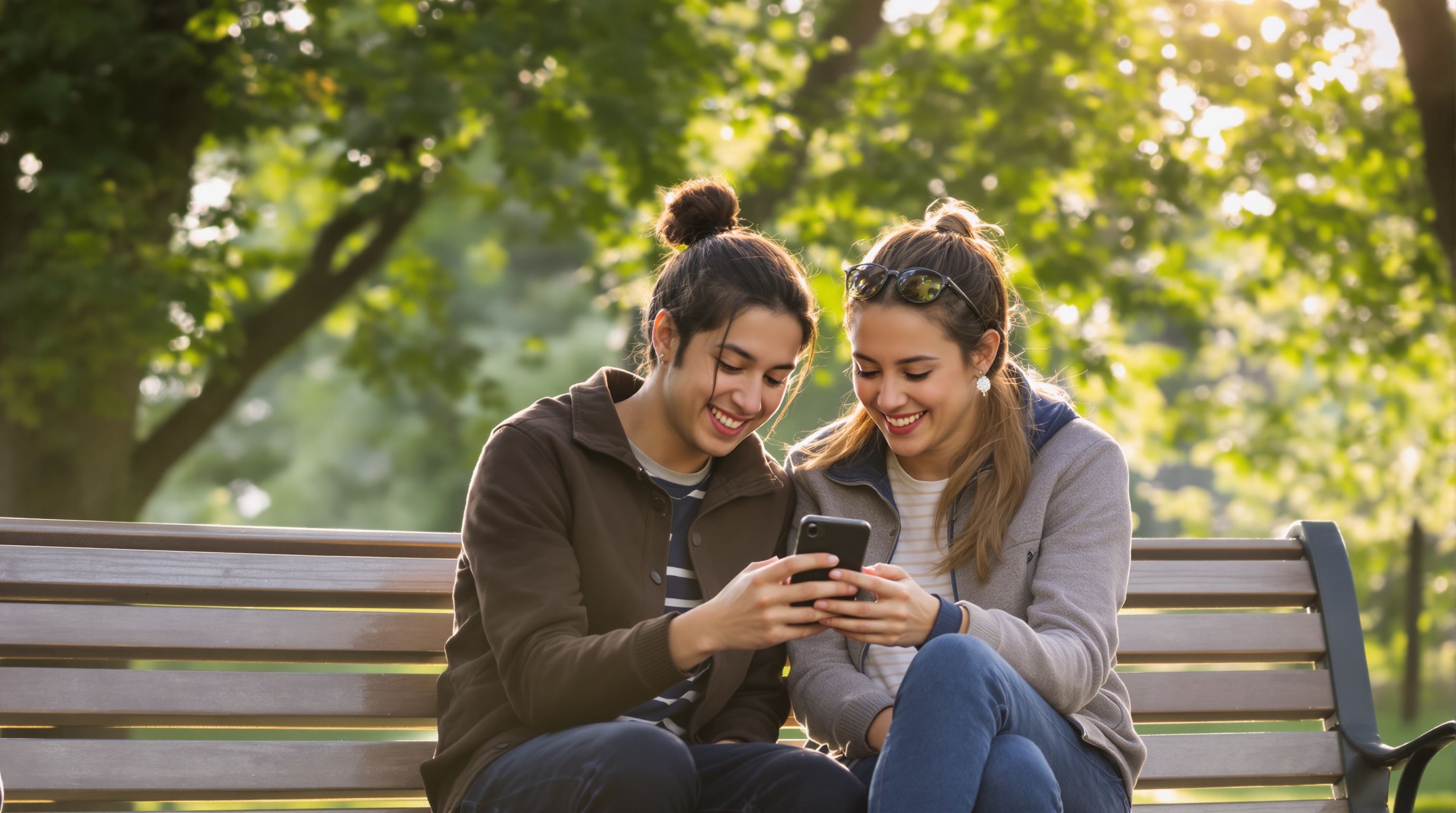
I posted a group photo from a friend's birthday on Instagram a few years ago. Nothing unusual - just five people smiling at a dinner table. Within an hour, one of them messaged me asking to take it down. She'd called in sick to work that day.
That moment stuck with me because I'd never once thought about whether everyone in a photo wanted it online. Most of us haven't. We take photos, we share them. It feels natural. But a 2024 Pew Research survey found that 67% of US adults have felt uncomfortable when someone posted a photo of them without asking first.
The stakes have gotten higher. Facial recognition, AI training datasets, reverse image searches, and deepfake tools mean a photo shared publicly can be used in ways nobody anticipated even three years ago. Photo sharing etiquette isn't about being overly cautious - it's about respecting the people in your photos the same way you'd want them to respect you.
Viallo is a private photo sharing platform built specifically for this kind of thoughtful sharing - private albums with unguessable links you can revoke anytime, no social media algorithms, and no AI training on your photos. When you share through a private link instead of a public post, the etiquette question gets a lot simpler.
When You Must Always Ask Permission
Some situations have no gray area. Skip the "I'll just post it and see" approach entirely.
Children's photos
Never share photos of someone else's children without asking their parents first. Full stop. Even if the photo is adorable, even if the kid is your niece, even if you're standing right next to the parent when you took it. Parents have the right to decide their child's digital footprint. France, Australia, and Minnesota have all passed laws reinforcing this principle. For a deep dive, check our guide to sharing kids' photos safely.
Private or vulnerable moments
Someone crying at a funeral. A friend having a bad day. An intimate conversation caught in the background. These aren't yours to share. If you have to wonder whether a moment is too private, it is.
Workplace photos
Many companies have social media policies that restrict what employees can post from the office. A group shot from the team lunch might seem harmless, but if someone is on a confidential project, working remotely when they said they'd be in the office, or simply doesn't want their employer on their Instagram, posting it creates problems. Always ask.
Medical, legal, or sensitive contexts
Hospital visits, courtroom proceedings, therapy waiting rooms, support group meetings. Any photo taken in a setting where privacy is expected or legally protected requires explicit consent from every person visible. In many jurisdictions, sharing these photos without permission can be illegal.
If asking permission before posting feels inconvenient, private sharing tools remove the friction. Viallo's private album links let you share photos only with people who should see them - no public feed, no accidental exposure.
When Permission Is Generally Implied
Not every photo requires a formal ask. Some situations carry implied consent, and over-asking can feel just as awkward as not asking at all.
Public events with photographers
Concerts, festivals, marathons, public parades. If you're at a public event where photography is expected and you're in a crowd, people generally accept that photos will be taken and shared. This doesn't extend to close-up shots of strangers - those still need a conversation.
Group selfies and posed shots
If everyone leaned in, smiled, and said "cheese," they're giving you implicit permission to share that specific photo. They posed for it. The gray area starts when you share a different photo from that same moment - one where someone's eyes are half-closed or they're mid-chew.
Travel photos you're in together
If you traveled together and took photos of each other throughout the trip, sharing those photos among the group is generally fine. Posting them publicly is where you should check in - your travel buddy might not want their beach photos on Facebook.
Wedding and Event Photo Sharing Rules
Weddings sit in a unique spot. There's a photographer, 200 guests with phones, and strong opinions about what gets posted where. A 2023 survey by The Knot found that 42% of couples wished guests would ask before posting wedding photos on social media.
The practical rules: Don't post anything until the couple has shared their own photos first. If the couple asks for a social media blackout during the ceremony, respect it. If you're unsure, share your photos privately with the couple and let them decide what goes public.
We wrote a full breakdown of how to share wedding photos with guests that covers the etiquette from both sides - as a couple and as a guest.
For other events like reunions, graduations, or work conferences, the same principle applies: the organizer or host gets to set the tone. Check our guide on photo sharing for events for specifics.
Rules for Resharing Photos on Social Media
Sharing someone's photo that they've posted publicly is different from sharing a photo you took of them. But both have rules.
Reposting on Instagram or Facebook: If someone posted a photo publicly, resharing it to your story with credit is generally considered acceptable. Downloading their photo and re-uploading it as your own post - even with credit - is not. Instagram's built-in story reshare feature exists for a reason.
Screenshots: Screenshotting someone's Instagram story, Snapchat, or WhatsApp status and sharing it elsewhere is a breach of trust in almost every context. Those formats are intentionally temporary. Treating them as permanent defeats the purpose.
Group chats: Photos shared in a group chat were shared with that specific group. Forwarding them to another chat or posting them on social media without asking is a common source of conflict. Just because a photo was sent to you doesn't mean it was sent for everyone.
If the friction of asking permission is what stops you from sharing photos at all, that's exactly what private sharing solves. With Viallo's private album links, you choose exactly who sees each album - no accidental resharing, no algorithmic distribution.

Tools and Methods for Respectful Photo Sharing
The best way to avoid etiquette problems is to use sharing methods that give you control over who sees what. Public social media is the worst tool for photos that deserve care.
- Private album links. Create an album, generate a link, send it only to the people who should see those photos. No login required for viewers. This is how Viallo works - the recipient taps the link and browses the full album in their browser.
- Extra care for sensitive albums. For extra-sensitive albums - children's photos, medical recoveries, private family moments - keep them in a separate album, send the private link only through a trusted channel (a text message, a phone call), and revoke it once everyone has seen it.
- Ask before posting publicly. A quick text takes ten seconds: "Hey, I love this photo of us. Cool if I post it?" Nobody has ever been offended by being asked. Plenty of people have been offended by not being asked.
- Let people opt out. If someone asks you to take down a photo, do it immediately. Don't argue about it. Their comfort matters more than your post.
Google Photos shared albums and Facebook's "friends only" settings offer some control, but both platforms scan your photos for AI features, and neither gives you true privacy from the platform itself. For photos that genuinely matter, a platform that doesn't analyze your content is the better choice.
Quick Consent Checklist Before Sharing Any Photo
Before sharing a photo of someone else, run through these five questions:
- Are there children in the photo? If they're not your kids, ask their parents.
- Is the moment private or vulnerable? Funerals, hospital visits, emotional breakdowns - don't share these without explicit permission.
- Did everyone pose willingly? A group selfie where everyone smiled? Probably fine. A candid where someone looks unflattering? Ask.
- Are you sharing publicly or privately? Sending a photo to the people in it is very different from posting it for 800 followers.
- Would you be comfortable if someone shared this photo of you? The golden rule works here. If you'd want someone to ask you first, ask them first.
Should you ask permission before sharing someone's photo? Yes, in most cases. The only reliable exceptions are photos where everyone posed together specifically to have the photo taken and shared. For everything else - especially children's photos, private moments, and anything headed for social media - a quick ask is both courteous and increasingly expected. Viallo's private album links, revocable anytime, make this easier by letting you share with specific people instead of broadcasting publicly.
Frequently Asked Questions
What is the best way to share photos without invading someone's privacy?
The best way is to share through private links instead of public posts. Viallo lets you create a private album and generate a private share link you can revoke anytime - so only the people you choose can see the photos. Google Photos shared albums also work but require everyone to have a Google account, which adds friction for some recipients.
How do I ask someone for permission to share their photo?
Keep it simple and direct: send them the photo and ask "Mind if I post this?"Most people appreciate a quick text more than a formal request. Viallo makes this easy because you can share the album link privately first so they can see exactly what you're planning to share. If they say no, respect it without pushback.
Is it safe to share family photos through Instagram or Facebook?
It depends on your privacy settings and your definition of safe. Instagram strips EXIF location data, but your photos are still stored on Meta's servers and can be used for AI training under their current terms. Viallo stores photos in the EU, doesn't train AI on your content, and lets you revoke access at any time. For family photos that deserve real privacy, a dedicated private platform is safer than social media.
What is the difference between sharing a photo privately and posting it publicly?
Private sharing means only specific people can view the photo - through a private, unguessable link or a private message. Public posting means anyone can see it, including search engines and data scrapers. Viallo's shared links are not indexed by search engines. A public Facebook or Instagram post, depending on your settings, could reach people you never intended.
Do I really need a separate app just for sharing photos privately?
You don't need one, but it solves real problems. WhatsApp compresses photos, Google Photos requires accounts, and social media is public by default. Viallo's free plan gives you 2 albums and 200 photos with private, revocable links - enough to handle the situations where etiquette matters most. The free tier covers casual use without any commitment.
Readers looking for a more respectful way to share photos can create a free private album at Viallo - 2 albums, 200 photos, 10 GB storage, no credit card.