School Bus Cameras Are Turning Into Police Surveillance (2026)
BusPatrol, the company behind over 40,000 AI cameras on school buses in 24 states, is planning to convert those cameras into automatic license plate readers. Leaked documents show the company intends to capture every passing vehicle's plate - not just stop-sign violators - and share the data with law enforcement through Axon. A 100-bus pilot is planned for the end of June 2026. If you have a child who rides a school bus, your daily commute route is about to become part of a police surveillance database.
What Is Happening With School Bus Cameras
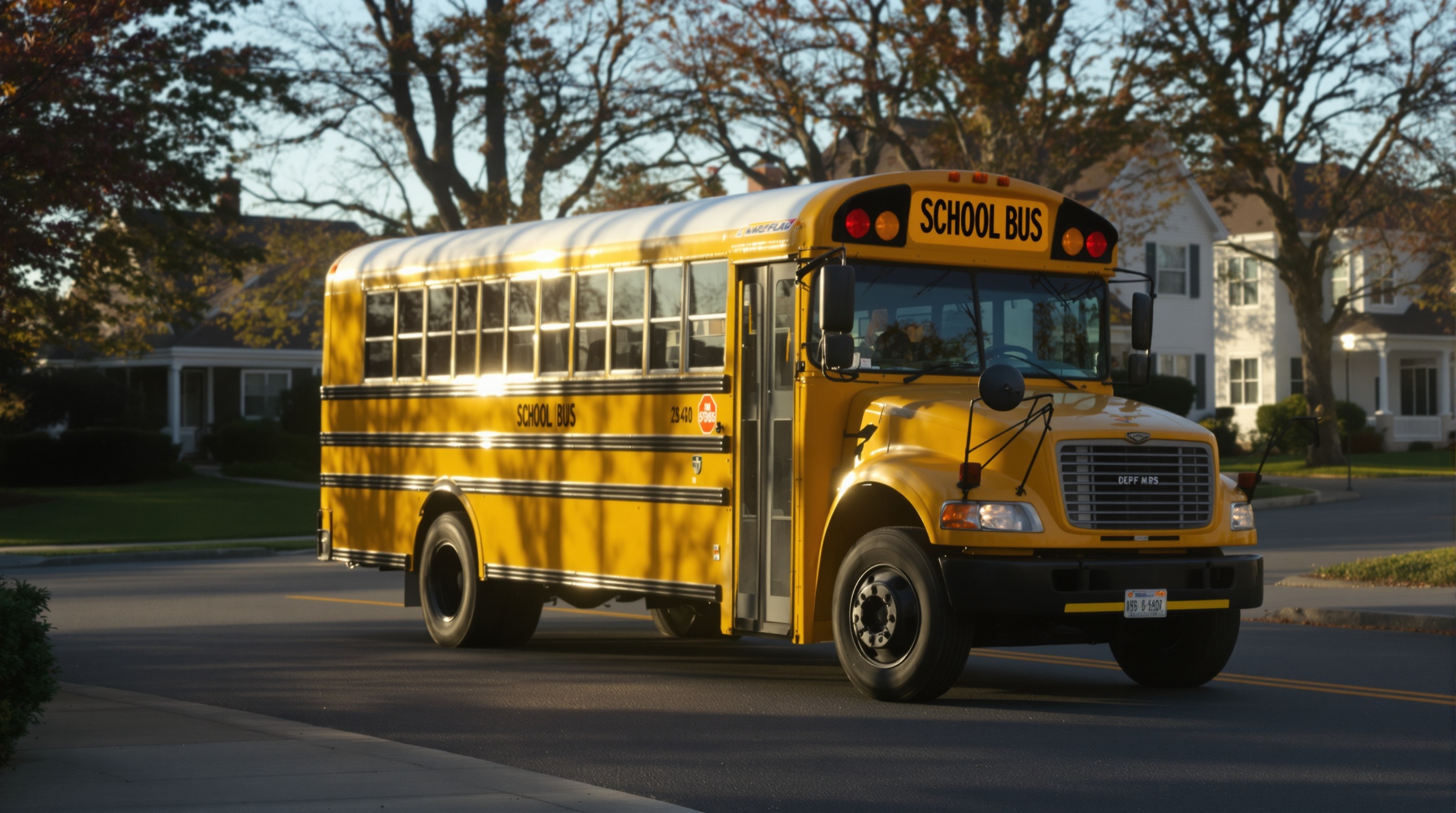
In late May 2026, 404 Media published leaked internal documents from BusPatrol, the largest provider of school bus stop-arm cameras in the United States. The documents reveal a plan to repurpose the company's existing camera network - originally designed to catch drivers who illegally pass stopped school buses - into a mass surveillance system that captures the license plate of every vehicle each bus drives past.
The scope is hard to overstate. BusPatrol currently operates more than 40,000 cameras across 24 states, monitoring routes used by over two million students. Under the new plan, these cameras would function as automatic license plate readers (ALPRs), logging the location, time, and plate number of every car the bus encounters - regardless of whether any traffic violation occurred.
A single-bus pilot is already running. The company plans to expand to 100 ALPR-equipped buses by the end of June 2026, with the full fleet as a long-term goal.
How BusPatrol Works Today
BusPatrol installs externally mounted AI cameras on school buses. When a bus extends its stop-arm sign and a driver illegally passes, the cameras capture the vehicle's license plate and record video evidence. BusPatrol reviews the footage internally, then forwards violations to local police, who decide whether to issue a ticket. The driver receives the fine in the mail.
This system exists in at least 30 states that have passed laws permitting stop-arm cameras. The pitch to school districts is straightforward: BusPatrol installs and maintains the cameras at no cost to the district, funded by a cut of the traffic fines generated. For schools, it looks like free safety technology.
The cameras were sold to parents and school boards as a child safety measure. And the original use case is legitimate - about 17 million stop-arm violations happen every school year in the US, and each one puts children at risk. That purpose is not what changed. What changed is everything else the cameras are being asked to do.
The ALPR Expansion: From Safety to Mass Surveillance
Automatic license plate readers are not new. Fixed ALPR cameras sit on highways, toll booths, and police vehicles across the country. What makes BusPatrol's plan different is the density and coverage of the network.
School buses follow predictable, repeating routes through residential neighborhoods, school zones, and suburban streets - areas that fixed surveillance cameras typically do not cover. A fleet of 40,000 buses running ALPR cameras would create a mobile surveillance net that blankets exactly the places where families live, commute, and drop off children.
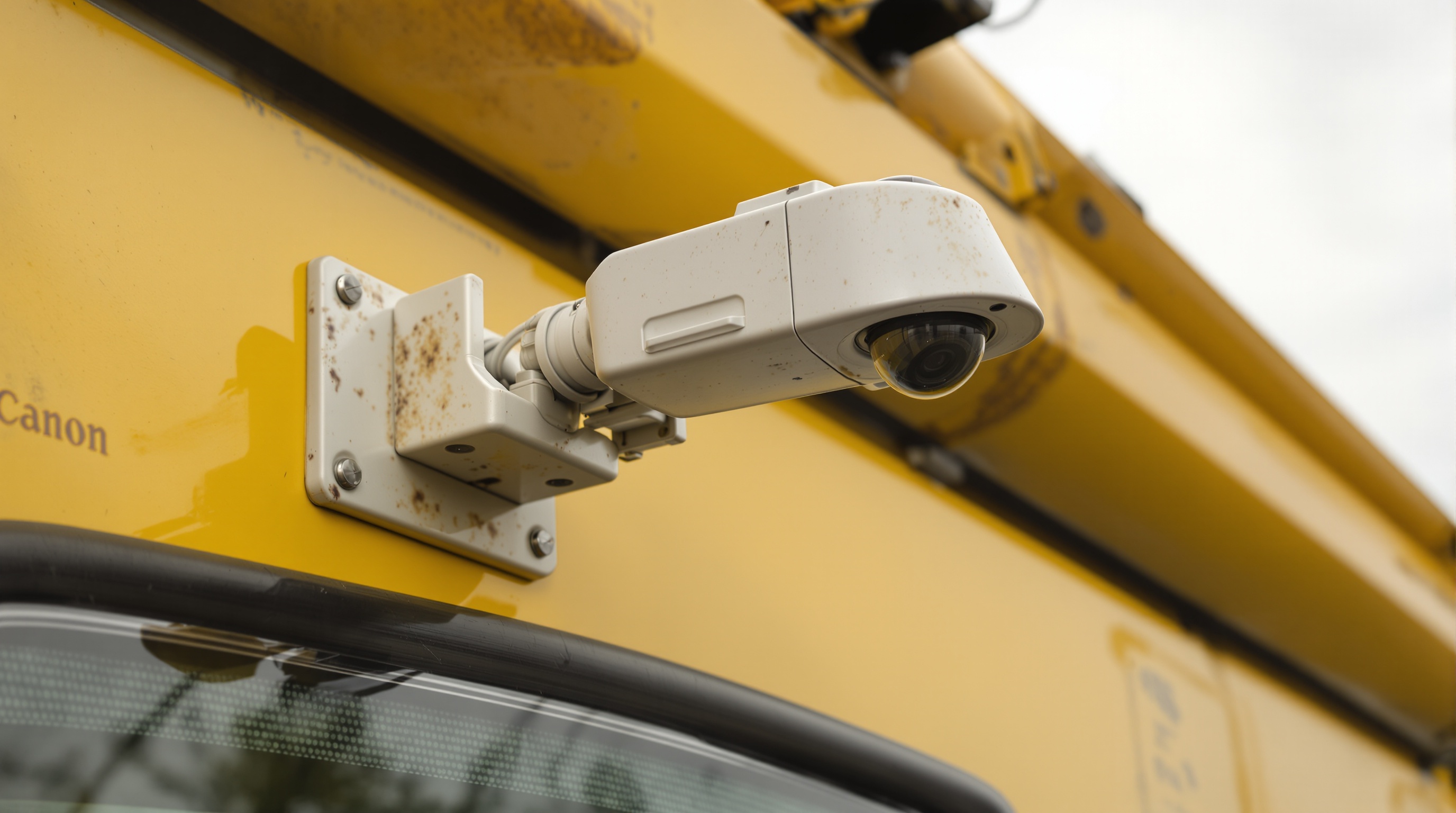
According to the leaked documents, BusPatrol has already taken steps to share ALPR data with Axon, the law enforcement technology giant that makes Tasers, body cameras, and evidence management software used by police departments nationwide. The original Axon partnership proposal included full fleet-wide real-time camera access, though BusPatrol reportedly scaled that back due to cost. Instead, the company plans to add AI accelerator hardware to its bus-mounted devices to process license plates on-device.
The Institute for Justice, a nonprofit legal organization, describes ALPR systems as tools that photograph every vehicle that drives by and can use artificial intelligence to create a profile with identifying information that then gets stored in a massive database. Unlike stop-arm cameras that only record when a violation occurs, ALPR cameras record everything, all the time.
Why This Should Worry Every Parent
The privacy risks of school-bus-mounted ALPR cameras are not theoretical. ALPR data has already been misused by law enforcement in documented cases. In Texas, an ALPR database was used to track a woman suspected of seeking an abortion after the state's ban. In Kansas, a police officer used ALPR access to look up an ex-girlfriend's location 228 times. These are not edge cases - they are the predictable consequences of building databases that track where people drive.
School bus routes make this especially invasive. A bus that passes your house every morning and afternoon creates a log of when your car is home and when it is not. Over weeks and months, ALPR data from school bus routes would build detailed profiles of neighborhood movement patterns - who lives where, who visits whom, when people leave for work.
BusPatrol's own internal documents acknowledge the controversy. According to 404 Media, the company is aware of public concern that Immigration and Customs Enforcement (ICE) could gain access to the data. But the documents also note that the company plans to emphasize the"child safety" angle to overcome resistance. Jay Stanley, a senior policy analyst at the ACLU, warned that by trying to plug a child-safety technology into the unethical license plate mass-surveillance ecosystem, you guarantee that your technology will have problems with acceptance.
The timing matters too. This expansion is happening alongside a broader push for geofence warrants that use location data to identify people near a crime scene. ALPR data from school buses would give law enforcement another location dataset to query - one that covers neighborhoods where families with children live.
It Is Not Just About License Plates
The BusPatrol story fits a larger pattern. Safety technology designed for one purpose keeps getting repurposed for surveillance. Ring doorbell cameras became a neighborhood watch network that police can access. School ticketing apps were caught tracking student locations. Digital photo frames connect to cloud services that expose location data.
Every device with a camera and an internet connection is a potential surveillance node. The question is never whether the technology can be repurposed - it always can. The question is whether any guardrails exist to prevent it. In BusPatrol's case, the leaked documents suggest the company is actively planning the repurposing, not just leaving the door open.
For parents, this is especially uncomfortable because opting out is not really an option. You do not choose whether your child's school bus has BusPatrol cameras. The school district makes that decision, often without a public vote or parental input. And once the cameras are installed, every vehicle in the neighborhood - not just the bus riders' families - gets swept into the database.
What Parents Can Do Right Now
You may not be able to stop your school district from using BusPatrol, but you can take steps to understand and push back on the expansion.
- Check if your district uses BusPatrol. Search your school district's name along with "BusPatrol" or "stop-arm camera." BusPatrol operates in 24 states, primarily in the eastern US.
- Ask your school board about ALPR. Specifically ask whether the bus cameras are being used or planned for any purpose beyond stop-arm enforcement. Request the full contract with BusPatrol.
- Contact your state representatives. Several states have introduced or passed ALPR regulation bills. Support legislation that restricts how long ALPR data can be retained and who can access it.
- Be careful about what your photos reveal. Photos shared online - including on social media - often contain location metadata that can be cross-referenced with other databases. If you share photos of your children, your home, or your car, strip location data first.
- Share family photos privately. When sharing photos of children, avoid public platforms entirely. Use private sharing methods that do not require recipients to create accounts or expose images to third-party scanning.
The broader lesson from BusPatrol is that safety technology sold to schools and families should not become a backdoor for mass surveillance. Parents who care about their children's safety also care about their family's privacy. These two values are not in conflict - but companies that treat them as interchangeable deserve scrutiny.

How to Protect Your Family's Photos and Location Data
The BusPatrol expansion is one piece of a larger shift toward normalizing surveillance in everyday life. Whether or not your school district adopts ALPR cameras, the principle applies broadly: technology that captures data about your family's movements, habits, and identity can be repurposed in ways you did not agree to.
Photos are one of the most common ways families inadvertently expose location data. A photo taken outside your child's school, shared on Instagram or Facebook, carries GPS coordinates that reveal the exact address. Even without ALPR data, public photos create a map of where your family spends time.
Viallo is a private photo sharing platform that stores photos on EU servers with no AI scanning or data mining. When you share family photos through Viallo, recipients view them through a private link - no account required, no app download needed. Photos are stored at full resolution, and every share link is private by default and revocable anytime. The location data in your photos is only visible within your private gallery, not exposed to third parties.
The best protection is layered. Strip metadata before sharing on public platforms. Use private sharing tools for family photos. And pay attention when safety technology crosses the line into surveillance - because once the data exists, someone will find a reason to use it.
Frequently Asked Questions
What is the best way to share school event photos privately?
The best approach is a private photo sharing platform that does not require viewers to create an account. Viallo lets you create an album and share it via a private, revocable link - parents and family members can view the full gallery without downloading an app or signing up. Google Photos shared albums work too, but require every viewer to have a Google account, which is a barrier for some families.
How do I check if my school district uses BusPatrol cameras?
Search your district's name along with "BusPatrol" or "school bus camera." BusPatrol operates in 24 states across over 40,000 buses. You can also check BusPatrol's website for their partner school districts, or ask your school board directly. If your district does use BusPatrol, ask whether the contract includes any ALPR or law enforcement data-sharing provisions.
Is it safe to share photos of my children on social media?
Public social media posts carry real risks. Photos on Facebook, Instagram, and TikTok often contain embedded GPS coordinates that reveal where the photo was taken. Google now indexes public Instagram content, making it searchable. Viallo offers a private alternative where you control exactly who sees your family photos - no public profile, no indexing, no data mining. If you do post publicly, strip EXIF metadata from your photos first.
What is the difference between a stop-arm camera and an ALPR camera?
A stop-arm camera only activates when a school bus extends its stop sign and records vehicles that illegally pass. An automatic license plate reader (ALPR) runs continuously, capturing the plate, location, and time of every vehicle it sees. The key distinction is scope: stop-arm cameras record suspected violations, while ALPRs record everyone. BusPatrol's plan converts cameras from the first type to the second.
Can schools legally share bus camera footage with police?
It depends on the state and the type of footage. Stop-arm violation footage is routinely shared with police as part of the enforcement process - that is its intended purpose. ALPR data is different. Some states regulate how long ALPR data can be retained and who can access it, while others have no restrictions at all. The legal framework has not caught up with the technology, which is why advocacy groups like the ACLU are pushing for ALPR-specific legislation.